
Choosing the best time to visit Epidaurus
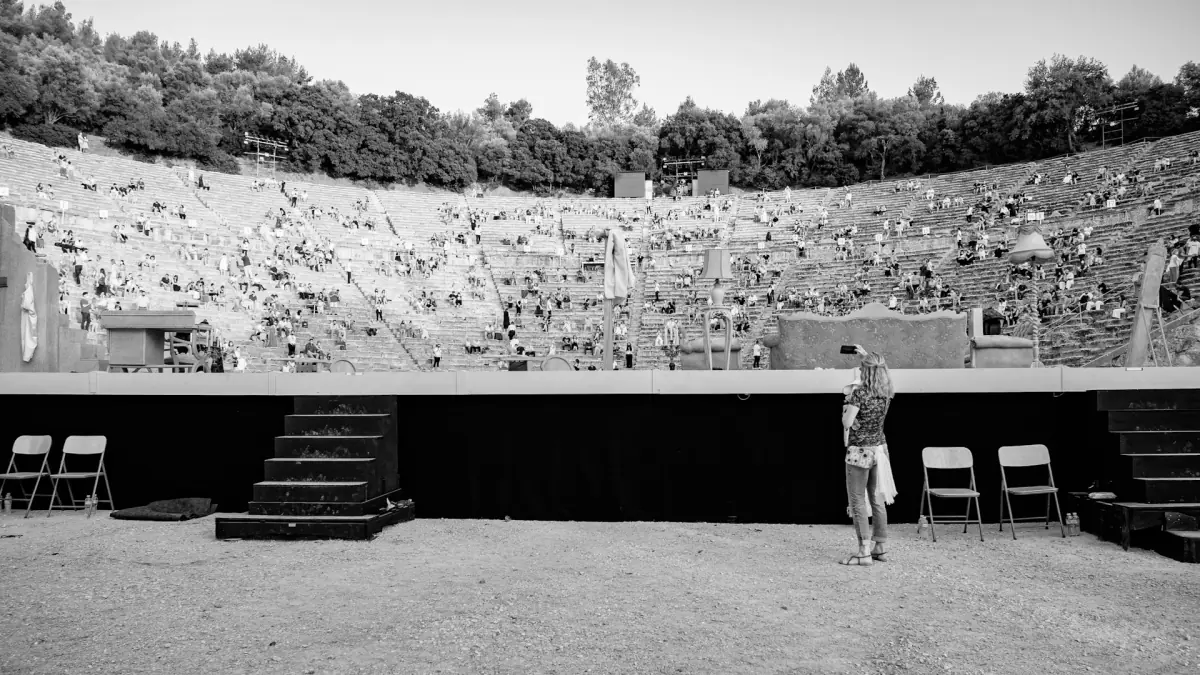
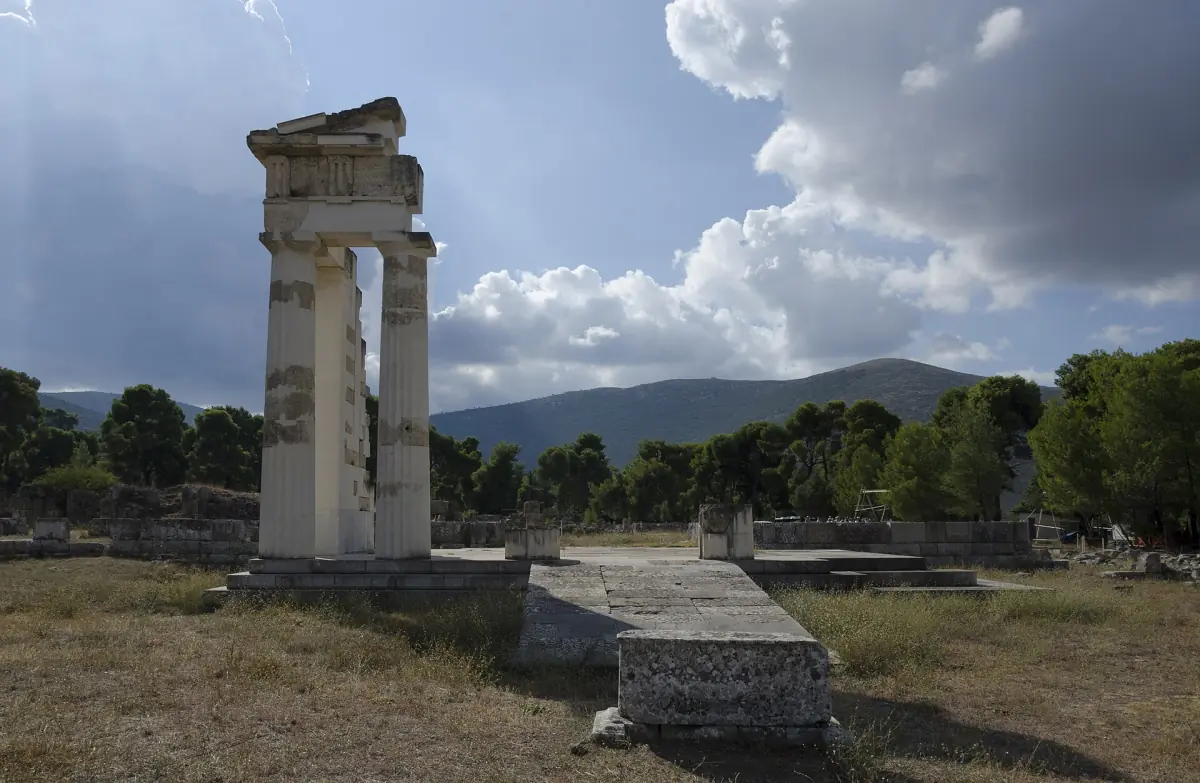
The best time to visit Epidaurus depends on whether the day centres on the sanctuary, the coastal town or a performance. For walking around the archaeological ensemble, spring and autumn are reasonable choices if you prefer less heat. That is an interpretation of historical regional temperatures, rather than a promise about the weather on a particular day. Start with the great theatre and the wider site, then decide how much time outdoors suits your group.
Keep an evening performance separate from a daytime archaeological visit. Event access uses a performance ticket, while sightseeing follows the sanctuary's opening schedule. The festival guide covers that distinction. As of November 2026, the 2026 season is in the past; use the programme announced for your intended season rather than assuming earlier dates repeat.
Epidaurus weather: a historical regional reference
The monthly figures here are historical regional reference values for Argos/Pyrgela, covering 1980 to 2010. They were reproduced from EMY/HNMS data in a municipal environmental study published in March 2022. They describe an inland regional station, rather than measurements taken at the theatre or on the coast. Use them to compare seasons, alongside a current forecast for the actual visit.
Maximum and minimum temperatures are mean daily highs and lows, not record extremes. Rainfall figures are monthly means. The sequence below keeps that historical series together, without converting it into a forecast for 2026. For a day trip, combine the seasonal picture with transport and opening-hour information. Weather, available sightseeing time and the return journey all matter when choosing a date.
Plan a visit from Nafplio
This driver-led outing provides return transport from Nafplio; check availability for your dates.
Hand-picked tours, booked through GetYourGuide. Prices are indicative starting prices in euros (as of October 2026). Tap a tour for live availability and the current price in your currency.
Daytime visits for your chosen season
Browse sanctuary outings for your intended date, including daytime transport from Nafplio with a driver.
January to March: cooler archaeological days
January has a mean daily maximum of 14.6°C, a minimum of 3.0°C and 66.5 mm of monthly rain in the regional series. February records 14.7°C, 2.9°C and 52.5 mm. March reaches 17.4°C, with a 4.3°C minimum and 52.2 mm of rain. These are planning references for cooler days and potentially wet walking surfaces, rather than predictions of a particular week's conditions.
Use the shorter winter visiting schedule when working out the journey. Decide how much time to allocate to the sanctuary and museum, and arrive with enough margin to include the parts that interest you most. Check the applicable closing days when choosing a date around a public or religious occasion. A late road arrival leaves less room for an outdoor visit during the winter schedule.
April to June: warming into summer
April's regional mean high is 21.3°C, its low 6.7°C and its rainfall 33.7 mm. May rises to 26.5°C and 10.5°C, with 18.7 mm of rain. June has a mean high of 31.4°C and low of 14.0°C, with 8.9 mm of rain. The progression explains why spring is a sensible editorial suggestion for walking visits before the stronger summer heat.
Carry water, a hat and sun protection, and wear comfortable shoes for the uneven stone paving. Choose your route around how much time the group wants to spend outdoors. If the coast is also part of the plan, remember that Old Epidaurus is a separate destination. A seasonal weather average provides no permission for swimming or access to underwater archaeological remains.
July to September: heat and separate evening visits
July's mean daily high reaches 34.0°C, with a low of 16.7°C and rainfall of 9.1 mm. August records 33.7°C and 16.8°C, with 13.0 mm of rain. September eases to 29.7°C and 14.2°C, with 20.3 mm. These regional values support planning for heat during a summer archaeological day, without setting a temperature at which access must close.
An evening performance calls for its own arrival and return arrangements. Read the event conditions and organise transport to the correct theatre. The large theatre near Lygourio and small theatre in Palaia Epidavros are different venues. When comparing a daytime sightseeing excursion with an independent visit, keep the included transport and guiding in view rather than treating the outing as a festival service.
October to December: autumn transport and shorter days
October records a regional high of 24.7°C, a low of 11.5°C and 44.3 mm of rain. November has 19.2°C, 7.7°C and 82.5 mm; December has 15.5°C, 4.8°C and 69.7 mm. Autumn can offer less hot conditions than midsummer, while the rainfall figures suggest leaving flexibility for the outdoor part of the visit. They do not determine what the weather will do on your chosen date.
A local report of 12 October 2026 described weekday theatre buses and the end of the summer coastal connection. Plan from a timetable for your travel date, not from the existence of a summer route. The transport guide separates the airport, regional bus and final approach. A six-hour daytime outing from Nafplio is another format: transport and an English-speaking driver are included, while entrance tickets, a licensed guide and food cost extra. Select an offered date when arranging it.
Frequently asked questions
Which season suits less hot sightseeing?
Spring and autumn are reasonable choices based on the historical regional series. Combine that seasonal comparison with a current forecast and the opening hours for the day.
Are these local weather measurements for 2026?
They are Argos/Pyrgela regional climate values from 1980 to 2010, reproduced in a municipal study in March 2022. They are historical reference figures, not a theatre forecast.
Does a day-trip ticket cover a performance?
Arrange a performance ticket separately. The described six-hour Nafplio outing provides daytime transport and a driver; site entry, a licensed guide and food are extra.