
Old Epidaurus and the coastal town
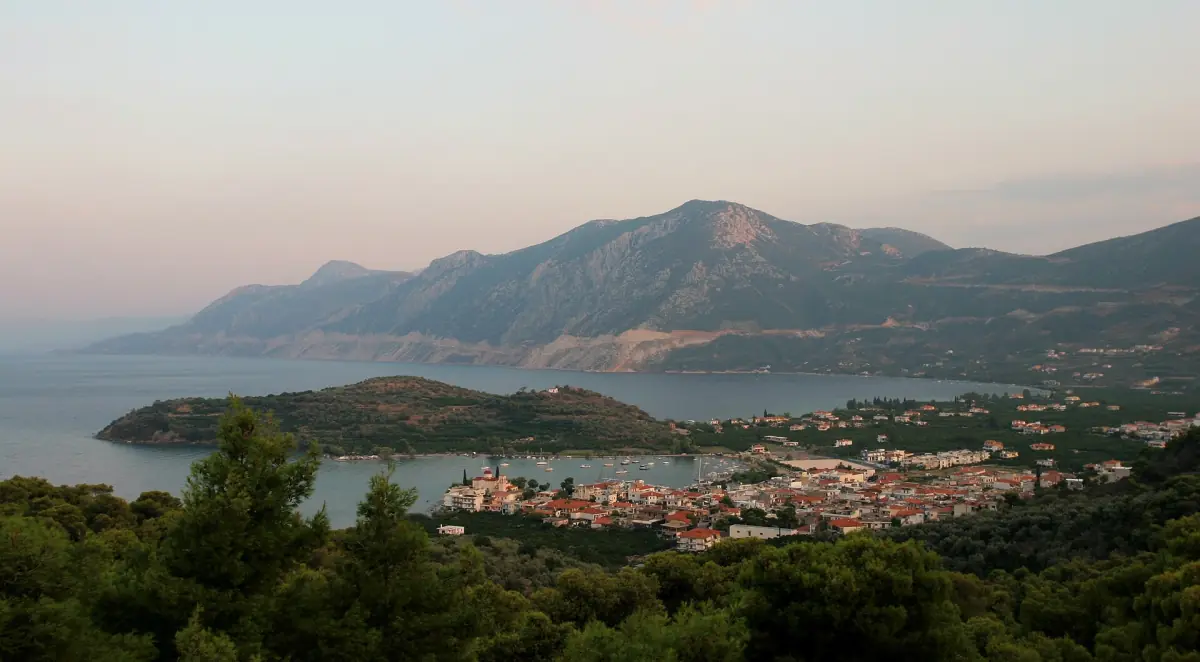
The sunken city of Epidaurus is part of the coastal landscape around Palaia Epidavros, also called Old Epidaurus. This is a different destination from the Sanctuary of Asklepios and its large theatre near Lygourio. Give the coast its own place in the itinerary rather than treating every attraction with Epidaurus in its name as part of one archaeological enclosure.
The distinction matters before setting off. For the famous curved stone seating and the inland sanctuary, use the large theatre guide. For the ancient coastal town, the small theatre and nearby bays, plan for Palaia Epidavros. Our transport guide explains why the destination name matters when arranging a vehicle or working out a bus journey.
Small theatre of the ancient town
The little theatre of ancient Epidaurus stands on the Nesi peninsula at Palaia Epidavros. Construction developed in stages from the middle of the fourth century BC into the Hellenistic period. Inscriptions on its seats record donors and connect the building with the cult of Dionysos. Later Roman alterations changed the orchestra and stage, leaving a history distinct from that of the sanctuary theatre.
Its original arrangement had nine seating wedges and eighteen rows, with roughly 2,000 spectators in antiquity. Those figures describe the historical building rather than the seating sold for a modern performance. The theatre was discovered in 1970 and first excavated in 1972. For a visit, establish the current access arrangements separately; an archaeological history does not supply a daily opening schedule. See the festival guide for the distinction between a performance ticket and daytime sightseeing.
Visit Palaia Epidaurus
This guided sanctuary outing includes free time in Palaia Epidaurus.
Hand-picked tours, booked through GetYourGuide. Prices are indicative starting prices in euros (as of October 2026). Tap a tour for live availability and the current price in your currency.
Epidaurus visits and coastal stops
Browse daytime visits to the sanctuary and theatre, keeping free time in Palaia separate from water activities.
The sunken city of Epidaurus
The coastal remains known as the Sunken City include a Roman rural villa. The regional description places them around Agios Vlasios bay, south of Old Epidaurus. Use this as orientation for the coastal area, and follow current local directions when identifying the archaeological zone. The name is a visitor label for submerged remains, rather than an invitation to walk on ancient walls.
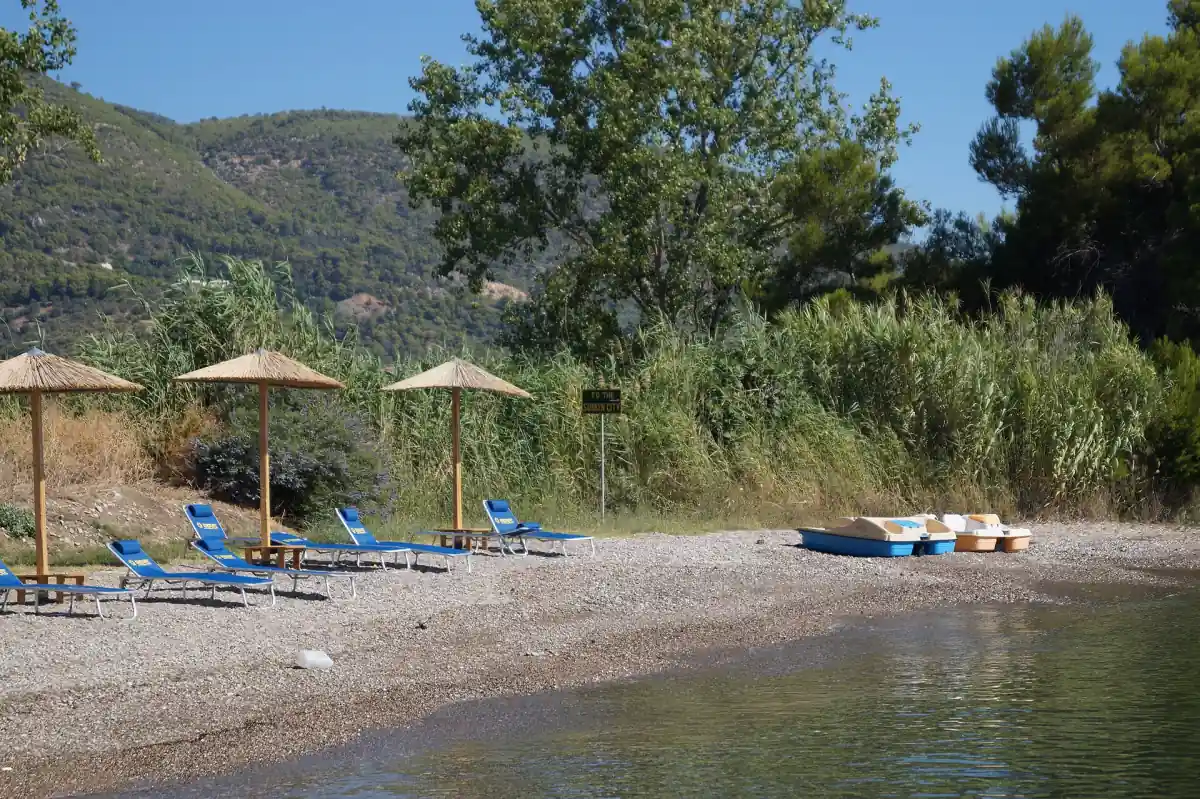
Before entering the water, obtain current guidance from the coastguard or the responsible archaeological authority about permitted access and protected areas. Keep clear of the remains and leave objects in place. Arrange any water activity around the applicable local instructions and the conditions on the day. Neither the place name nor a photograph establishes water clarity, an accessible entry point or permission for diving. Plan a shore visit that remains worthwhile without underwater viewing.
Beaches around Old Epidaurus
Vagionia is near the town centre. Kalamaki follows beyond Vagionia, with a short walking route described between them. Polemarcha refers to nearby bays, while Gialasi is another coastal area with tourist infrastructure. These names are useful when choosing which part of the coast to explore; they do not make all the beaches interchangeable or establish the present condition of paths.
Choose the coastal stop after checking local signs and the weather, and keep water activities separate from the archaeological visit. Comfortable footwear is useful when the day also includes the sanctuary's uneven stone paths. If your main aim is time near the sea, compare coastal accommodation with an inland base in the where to stay guide. A coastal room still calls for a separate journey to the large theatre.
A guided day with time in Palaia
One five-hour outing from Nafplio combines guided visits to the large theatre, sanctuary and archaeological museum with free time in Palaia Epidaurus. It includes return transport, an English-speaking guide and all entrance fees for the described archaeological visits. Food, shopping and personal expenses are extra. This suits visitors who want the inland ensemble explained before spending some time in the coastal town.
Treat the free time as time in Palaia, rather than a scheduled underwater excursion. Build a separate plan for the small theatre's access or any coastal activity. For a longer archaeological day, decide whether the sanctuary and museum should take priority over an additional beach stop. Keeping those priorities clear avoids rushing between two places that share a name but have different routes and access arrangements.
Frequently asked questions
Is Old Epidaurus beside the large theatre?
The coastal town and its small theatre are separate from the large theatre at the sanctuary near Lygourio. Name the exact destination when planning transport.
Does the coastal outing include snorkelling?
The described five-hour outing includes free time in Palaia, archaeological visits, a guide and return transport from Nafplio. Plan any water activity separately under current local rules.
Can I use the sanctuary ticket at the small theatre?
Arrange access to the small theatre separately. The sanctuary ticket covers the inland archaeological ensemble and museum; consult the tickets guide for that visit.